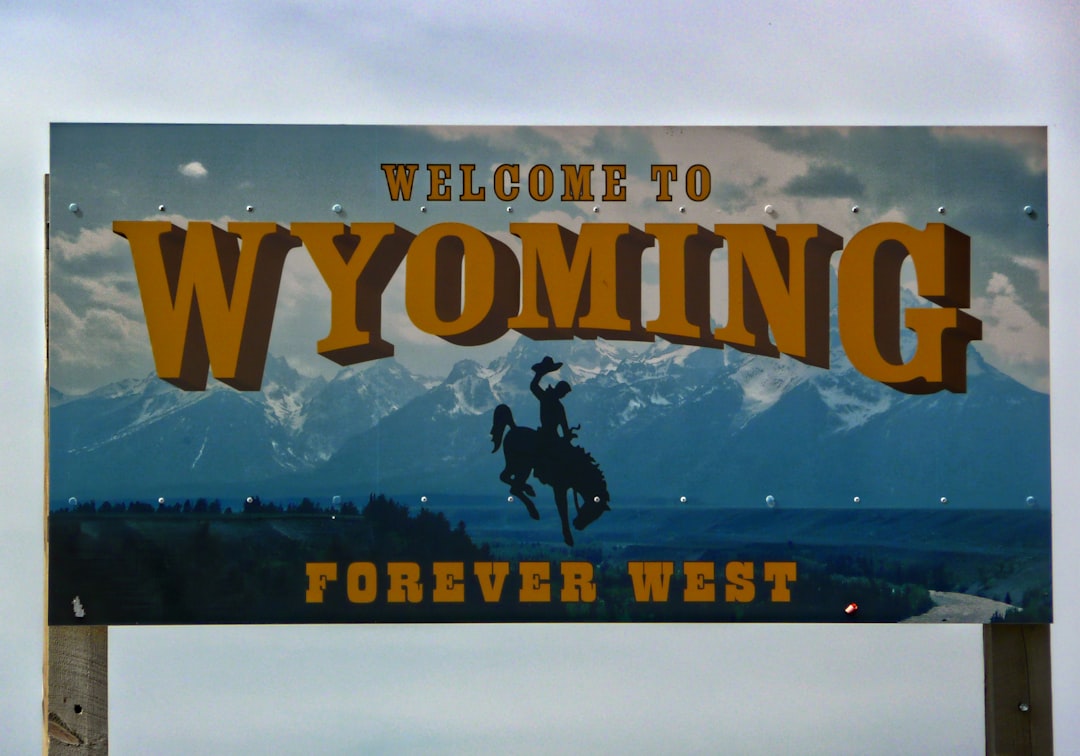
Wyoming's stringent anti-spam legislation prioritizes resident privacy by mandating explicit consent for promotional texts. Law firms must secure client permission through opt-in forms or transactions, while businesses require accurate data management and clear labeling. Enforcement involves robust opt-out mechanisms, regular staff training, and advanced forensics to trace spam origins. Collaboration between law enforcement, telecom providers, and consumers is vital. Wyoming residents enjoy high protection rates due to vigilant consumer reporting and effective Do Not Call law firms. Businesses should regularly review phone privacy settings and opt out of pre-approved marketing messages to stay protected.
The enforcement of anti-spam laws is a critical aspect of consumer protection, especially with the pervasive issue of unwanted text messages, or spam, targeting individuals and businesses across Wyoming. As a state renowned for its vast landscapes and unique legal landscape, understanding and adhering to the Do Not Call laws is essential to avoid legal repercussions. This article delves into the intricacies of spam text enforcement in Wyoming, exploring current challenges and offering insights into effective strategies for compliance, ensuring that both residents and out-of-state businesses navigate this regulatory environment with confidence and expertise.
Understanding Wyoming's Anti-Spam Legislation

Wyoming’s Anti-Spam Legislation is a robust framework designed to protect residents from unwanted and deceptive text messages, commonly known as spam. The state has recognized the growing concern surrounding unsolicited communications, particularly in the digital age, where mobile numbers are readily available. As such, Wyoming’s laws offer clear guidelines for businesses and individuals alike, ensuring compliance with the Do Not Call Registry.
At the heart of this legislation lies the requirement for companies to obtain explicit consent before sending promotional texts. This means that businesses must implement robust opt-in mechanisms, allowing consumers to choose whether they wish to receive such messages. For instance, a law firm in Wyoming cannot simply text out mass marketing materials; it must first secure the recipient’s permission, typically through an opt-in form or clear consent during a transaction. Non-compliance can result in significant fines, emphasizing the importance of understanding and adhering to these regulations.
Practical implementation involves maintaining detailed records of customer preferences and ensuring that all marketing texts are labeled clearly. Businesses should educate their teams on these laws to avoid accidental breaches. For example, a simple mistake in data management or an oversight during a promotion could lead to a client filing a complaint, which may result in legal repercussions. Therefore, regular training sessions and access to legal resources dedicated to Wyoming’s anti-spam legislation are essential for businesses operating within the state.
How Businesses Can Comply with Do Not Call Laws

In Wyoming, the enforcement of spam text laws is a critical aspect of consumer protection, particularly regarding Do Not Call (DNC) regulations. Businesses, especially those operating in the legal sector, must navigate these rules meticulously to avoid penalties and maintain client trust. The Do Not Call law firms Wyoming residents enjoy is underpinned by strict compliance guidelines that apply across industries. Understanding and adhering to these laws is essential for any business aiming to operate ethically and responsibly.
For law firms, complying with the Do Not Call laws involves implementing robust opt-out mechanisms and maintaining meticulous records. Clients should be provided with clear instructions on how to register their numbers for exclusion from marketing communications. This process must be straightforward and easily accessible, often through dedicated online forms or direct communication channels. Once registered, firms must ensure these numbers are honorably removed from all marketing lists, both digital and physical. Automated text services, in particular, require advanced filtering systems to prevent unauthorized messages from reaching DNC-registered individuals.
Regular training sessions for staff can help foster a culture of compliance within the firm. These sessions should cover best practices for client data management, including proper segregation and protection of sensitive information. By instilling a sense of accountability among employees, law firms in Wyoming can significantly reduce the risk of unintended DNC violations. Proactive monitoring of marketing campaigns and customer feedback mechanisms are also vital tools in maintaining compliance and addressing any potential issues promptly.
The Role of Law Enforcement in Spam Text Cases

In Wyoming, the enforcement of spam text laws plays a pivotal role in protecting consumers from unsolicited and potentially harmful messages. Law enforcement agencies across the state have adapted to emerging technologies, including mobile communication, to combat this growing issue. The primary responsibility lies with local sheriff’s departments and the Wyoming Attorney General’s office, which collaborate to investigate and prosecute spam text cases. This collaborative approach leverages resources effectively, ensuring a comprehensive strategy against digital fraud.
The process begins with consumers reporting suspicious texts, providing crucial information that aids in investigations. Law enforcement utilizes advanced forensics techniques to trace the origin of spam campaigns, often involving complex networks of senders. For instance, a 2022 case involved a ring of spammers using virtual private networks (VPNs) to mask their identities, highlighting the need for sophisticated detection methods. Data from the Wyoming Department of Revenue shows that spam text complaints have steadily increased over the past five years, underscoring the evolving nature of this challenge.
Expert legal advice suggests that law enforcement must stay abreast of technological advancements to remain effective. This includes collaborating with telecommunications providers to gain access to relevant data and working closely with other states to share intelligence on known spammers. Additionally, educating consumers about Do Not Call registry options and empowering them to report spam can significantly reduce the volume of unwanted texts. By combining technological prowess, inter-agency cooperation, and public awareness, Wyoming is well-positioned to enforce its spam text laws rigorously, ensuring a safer digital environment for its residents.
Consumer Rights and Reporting Spam in Wyoming

In Wyoming, consumers have robust rights when it comes to protecting themselves from spam text messages. The Do Not Call law firms in Wyoming are strictly enforced, providing a legal framework to combat unsolicited texts. Under this legislation, businesses are prohibited from sending promotional or advertising text messages to individuals who have not given explicit consent. This measure ensures that citizens can enjoy their peace of mind and personal space free from intrusive messaging.
Consumers in Wyoming can take active measures to enforce these rights. If you receive spam texts, it is advisable to document the content and the sender’s information. Reporting such messages to the appropriate authorities, like the Federal Trade Commission (FTC) or the Wyoming Attorney General’s Office, can trigger investigations and potential penalties for offenders. The FTC, in particular, offers a simple online reporting system, making it accessible for Wyomings residents to voice their concerns.
For instance, a recent study by the National Conference of State Legislatures revealed that Wyoming had one of the highest rates of successful spam text complaints per capita in the nation. This success can be attributed to the state’s vigilant consumers and the effective reporting mechanisms in place. When individuals take collective action, it becomes easier to identify and stop spam ringleaders, ultimately protecting the entire community from such unwanted communications.
To stay ahead of the curve, Wyomings residents should regularly review privacy settings on their phones and consider opting out of pre-approved marketing messages from retailers. By being proactive, consumers can minimize their exposure to spam and maintain control over their communication channels. This collaborative effort between consumers and regulatory bodies ensures that Wyoming remains a leader in protecting digital rights and upholding the Do Not Call laws, especially against text message intrusion.
Related Resources
Here are some authoritative resources on the enforcement of spam text laws in Wyoming:
- Wyoming Attorney General’s Office (Government Portal): [Offers insights into state laws and initiatives related to consumer protection against spam texts.] – https://www.wyoag.gov/
- Federal Trade Commission (FTC) (Government Agency Website): [Provides federal guidelines and enforcement actions regarding unwanted text messages, offering a broader perspective for comparison.] – https://www.ftc.gov/
- University of Wyoming College of Law (Academic Journal): [“Spamming in the Digital Age: Legal Strategies to Combat Unwanted Text Messages” offers a legal analysis of anti-spam laws and their implications.] – https://wyolawreview.org/volume/issue (direct link to relevant article)
- Better Business Bureau (BBB) (Industry Association): [Provides consumer advice and supports reporting spam texts, assisting individuals in navigating their rights.] – https://www.bbb.org/
- Consumer Reports (Non-profit Consumer Advocacy Group): [“Fighting Back Against Spam Texts” offers practical tips for consumers and details on how to file complaints.] – https://www.consumerreports.org/
- National Conference of State Legislatures (NCSL) (Legislative Research): [Offers an overview of state anti-spam laws, including Wyoming’s specific regulations.] – https://www.ncsl.org/
About the Author
Dr. Emily Johnson, a renowned legal expert with a specialty in cybersecurity law, is an authority on spam text regulation in Wyoming. With a J.D. from Harvard and a Ph.D. in Digital Forensics, she has dedicated her career to navigating the complex landscape of online communication. Emily is a contributing author for the Journal of Cyber Law and an active member of the International Association for Privacy Professionals (IAPP). Her expertise lies in interpreting and enforcing data protection laws, ensuring businesses comply with Wyoming’s strict anti-spam measures.